Gum Recession Surgery in Englewood: Causes and Recovery Guide
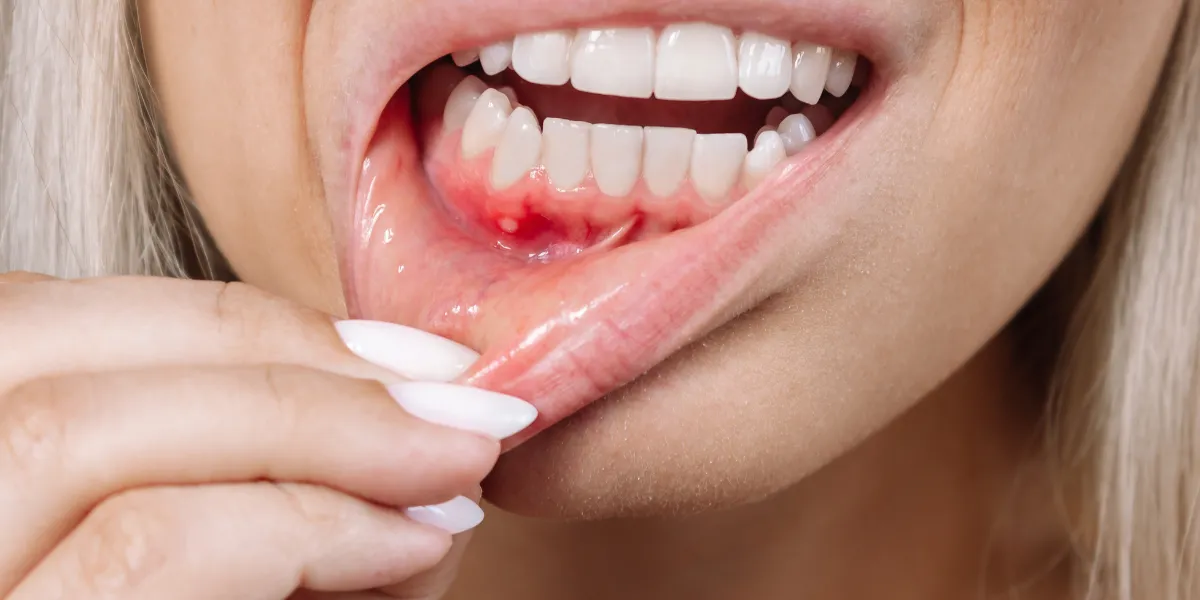
Gum recession is a condition that afflicts millions of Americans, but most of them do not even know that they have this issue until the symptoms are evident. In case you have experienced higher sensitivity of the teeth, visualization of the root of teeth, or the gum line is receding, you are not an isolated case. Luckily, there is a modern gum recession surgery that will help your gums be healthy and protect your smile.
At Englewood Oral Surgery, we understand that every patient's needs are unique. Be it a parent with an interest in the oral health of his/her family, a professional who needs to have some cosmetic enhancements, or an elder who requires constant maintenance, our qualified staff offers pocket-friendly state-of-the-art alternatives to gum tissue restoration and receding gums treatment.
By treating your teeth early, you can protect and prevent sensitivity and achieve a confident smile. The earlier you treat gum recession, the easier and more effective your treatment choices will be.
What Causes Gum Recession?
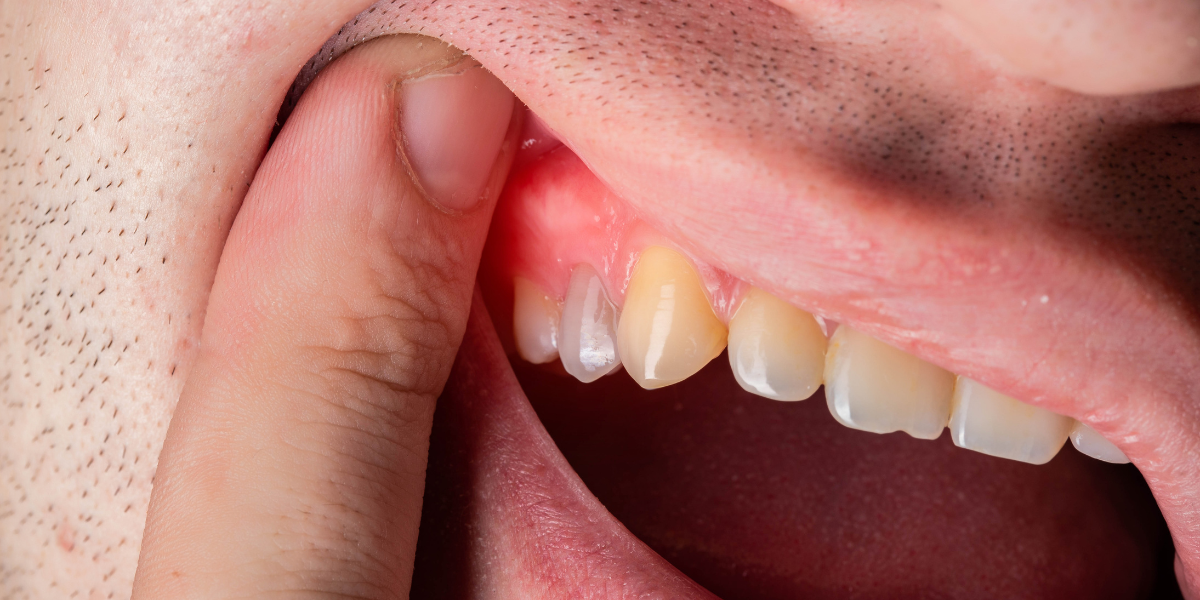
The first step towards prevention and treatment is the understanding of the factors that cause gum recession. Gum recession is a condition whereby the gum tissue that covers your teeth is worn off or pulled back, revealing more of the tooth or the root of the tooth. It does not occur overnight, and early detection of the warning signs would result in easier and successful treatment.
Common Causes of Gum Recession
Poor oral hygiene is a major contributor to gum recession. The accumulation of plaque and tartar along the gum line causes inflammation, which eventually leads to the loss of gum tissue. This build-up of bacteria inflames the gum tissue, causing it to recede with time.
Odiously enough, even aggressive brushing may spoil your gums. Although it is important to have good oral hygiene, overbrushing using a toothbrush with hard bristles or exerting more force than necessary may erode the thin gum line. It is shocking to realize that most patients are just contributing to their gum problems through their hard-brushing habit.
Periodontal disease is the major cause of recession of the gum and may necessitate periodontal surgery in extreme cases. This bacterial infection is killing the gum tissue and supporting structures surrounding your teeth, forming pockets within which the bacteria can live and lead to additional damage.
Genetics also plays an important role in the health of the gums. Other people are just prone to having weaker gum tissue, and therefore, they are more vulnerable to recession despite the oral care practices. You are at risk of being more in case your parents or grandparents had gum issues.
Teeth grinding (bruxism) puts undue stress on your teeth and gums, which results in gradual wear of the gums. This is usually experienced at sleep, and thus, the patients may not be able to realize the issue without the help of a professional assessment.
A misaligned bite may result in an imbalance in the distribution of pressure across your teeth, resulting in the local loss of gum in certain areas. This is a mechanical stress that slowly erodes the gum tissue in the most affected areas.
When to See a Dentist in Englewood
When you observe such signs as sensitivity of teeth, roots showing, or receding of the gum line, then it is time to make an appointment. Other warning signs include:
Teeth that appear longer than before.
Notches near the gum line.
Sensitivity to cold or hot foodstuffs.
Pain during tooth brushing or flossing.
It is impossible to underestimate the need to book an appointment at a reputable dental clinic in Englewood. By intervening at an earlier stage, you will avoid having to resort to more invasive procedures and will be spared from losing your natural gum tissue.
Treatment Options for Receding Gums
Dentistry in the contemporary world has a number of possible gum surgery treatments for recession. The most suitable one will rely on the severity of your conditions, the cause of your problems, and your personal goals. Knowing these choices will help you make informed choices regarding your oral health.
Gum Grafting (Soft Tissue Graft Surgery)
Gum graft surgery is the most common and efficient gum recession surgery that is done by Englewood periodontists. This procedure involves the removal of tissue from the roof of your mouth or the use of donor material to cover exposed tooth roots.
The soft tissue graft procedure can have several advantages: it saves your teeth, as they will not be damaged anymore; your smile will look better; and the loss of your gums will be stopped. In the process, the surgeon would put the graft tissue neatly on the exposed parts and hold it with the sutures so that it would join with your own gum tissue.
Composite Bonding
Composite bonding is a cosmetic option for a patient who wants to receding gum line fix in a minimally invasive procedure. This is done through tooth-colored resin to cover exposed root surfaces to enhance your smile. But one should realize that bonding is purely cosmetic and does not fix the tissue loss.
Deep Cleaning and Scaling
Deep cleaning and scaling can be effective for mild receding gums treatment. It is a non-surgical method of removing plaque and tartar, flattening the root surfaces, as well as promoting the reattachment of gums. Although it cannot be used in every case, it may be a very good first-line therapy when the recession is at an early stage.
The Gum Recession Surgery Process
The information provided below can assist you in eliminating anxiety and being prepared to have a gum graft surgery. At Englewood Oral Surgery, we prioritize patient comfort and clear communication throughout the entire process.
Before the Surgery

The first step in your journey will be to have a thorough dental check-up and imaging to evaluate how far you have receded and how you will treat it. We design an individualized treatment map for a patient, considering their needs and purposes. There is a wide range of sedation and numbing options in place to make the procedure comfortable for you.
During the Procedure
To carry out a gum graft surgery, there are a few important steps that should be followed: the collection of a piece of tissue in the donor area, proper suturing of the graft, and the area of the recession to which the graft is applied. The procedure lasts on average 1-2 hours, depending on the complexity and the areas that are being treated.
Our team of skilled professionals applies the most up-to-date methods to reduce pain and maximize recovery. We will guide you through each process step by step so that you are knowledgeable and at ease with the process.
Immediately After Surgery
After your surgery, you will also experience a certain level of numbness, slight swelling, and food limitations. These are healthy aspects of the healing. We focus on tender care and provide detailed post-operative instructions to ensure optimal healing.
Healing Timeline After Gum Graft Surgery
A successful gum graft recovery depends on planning for realistic expectations. The healing process is divided into several steps, which have their peculiar features and care needs.
Week 1 - Initial Recovery
Within the first week, pain, swelling, and slight discomfort will fade away. You will visit again to remove the sutures and assess the progress of the healing. The majority of patients can resume work a day or two later, but we suggest that one should restrict body movement during this first period of healing.
Weeks 2-4 - Graft Integration Begins
This is the starting point of tissue attachment to your gums. It is also important not to brush or floss the graft by your Englewood dentist until it is cleared. The regeneration tissue starts to develop a blood supply and form connections with the existing structures.
Months 3-6 - Complete Healing
It is at this time that full integration of the new tissue takes place and causes the entire gum health restoration. After being washed off by your dentist, you can go back to normal oral hygiene. The end outcome is healthy and stable gum tissue that gives protection to your teeth and makes your smile look better.
Post-Surgery Care and Recovery Tips
A key factor in successful gum health restoration is adherence to the proper post-operative care instructions. Understanding how to act and how not to act could be really important to influence your recovery process and overall outcomes.
Do's and Don'ts After Gum Surgery
Do:
Consume soft, cool foods such as yogurt, smoothies, and soup.
Take an oral rinse following 24 hours.
Use painkillers prescribed by dentists.
Keep the area clean as instructed by your dental team.
Don't:
Smoke, take alcohol, or eat hard/chewy food.
Exercise intensively throughout the first week.
Apply the brush on the graft site until it has been cleared by your dentist.
Use straws, which can create suction that disrupts healing.
Using a Stent After Gum Graft
A large number of patients are fitted with a protective stent after surgery. This is a tailor-made machine that shields the site of the donations and lowers the pain in the early healing period. The stents are normally used for 1 to 2 weeks and are vital in covering the healing tissue.
Cost of Gum Recession Surgery in Englewood
Understanding the cost of gum recession surgery will enable you to plan the treatment and make wise decisions regarding your investment in oral health.
Factors Influencing Cost
The total cost of your treatment depends on several factors:
Severity and extent of recession.
Number of grafts required.
Type of procedure (autograft, donor tissue, etc.).
Expertise and experience of your Englewood periodontist.
Making Treatment Affordable
Numerous insurance plans cover medically necessary gum treatments. Financing options are also available to us so as to make treatment affordable. It is important to keep in mind that the cost of gum tissue restoration can safeguard your oral health in the future and save you money in the future.
Choosing the Right Dentist for Gum Surgery Treatment in Englewood

It is important to choose the appropriate dental professional in order to get the best results when it comes to gum surgery treatment. The decision should first be based on local expertise and the comfort of the patients.
Community-Focused, Compassionate Dental Care
At Englewood Oral Surgery, we offer:
A child and parent-friendly environment.
High-end cosmetic and restoration products to use.
Trustworthy upkeep and expert care for the elderly.
Why Englewood Patients Trust Local Providers
We are in a convenient location and available during emergency moments so that you get the care during the most necessary times. The reason behind our individual, soft-spoken nature is our belief as a community-based dental practice that we know the special needs of the people of Englewood.
Expert Gum Care and Recession Treatment at Englewood Oral Surgery
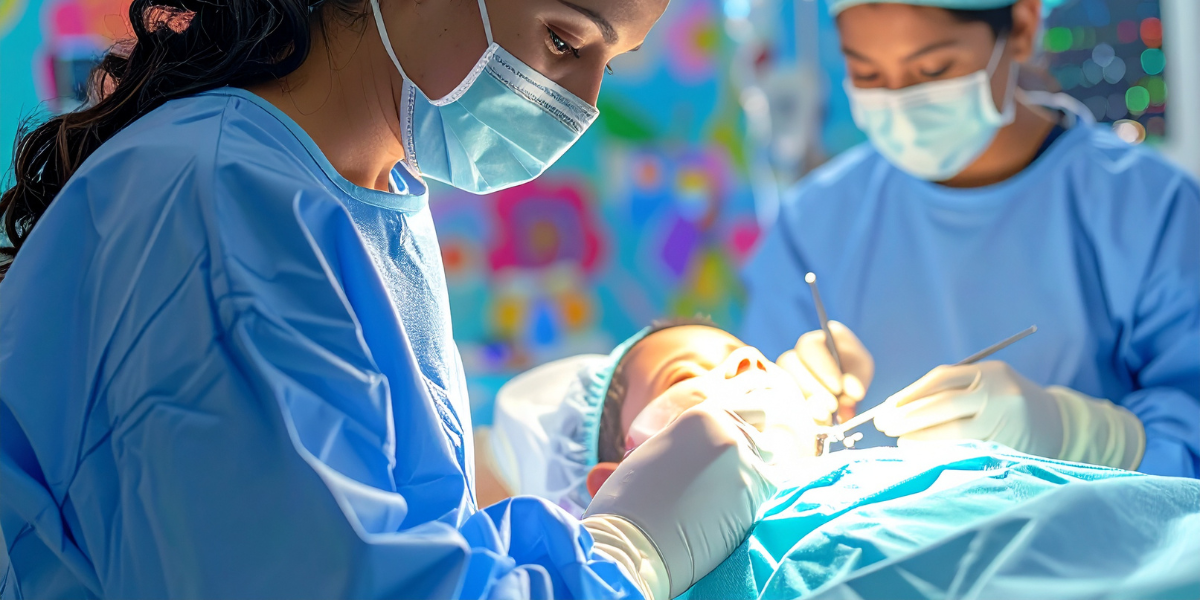
At Englewood Oral Surgery, we are pleased to provide innovative, patient-focused services in relation to gum recession and oral surgery services. We realize that each smile is different, and our qualified staff develops individualized treatment plans for each patient.
Our gum recession surgery and soft tissue grafts are done with the highest precision and comfort in mind, utilizing the latest technology and minimally invasive methods. You may require preventive dental care, aesthetic enhancement, or elaborate oral surgical procedures; we can assist you in attaining a permanent, healthy state of the gums and self-esteem.
Restoring Confidence with Gum Recession Surgery
Gum health restoration is the key to your oral health and general self-confidence. Don't let gum recession undermine your smile and quality. Earlier intervention results in more positive outcomes and easier treatment.
If you're experiencing signs of gum recession, we encourage you to schedule a consultation with Englewood Oral Surgery. Our experienced team is committed to helping you regain a comfortable, confident smile through expert care and personalized treatment planning.
Start with better health in your gums today, and you will soon feel the benefits of that smile over the years.
Frequently Asked Questions About Gum Recession Surgery
How long does receding gum surgery take to heal?
The majority of the patients recover in 1-2 weeks, and complete tissue integration takes place after 3-6 months. The time of individual healing can be different depending on general health and the ability to follow the post-operative regulations.
What are the stages of gum healing after surgery?
The process of healing takes place in three stages:
Stage 1: Initial healing (1 week) - First post-operative healing.
Stage 2: Graft integration (2-4 weeks) - Tissue bonding begins.
Stage 3: Tissue strengthening and full restoration (3-6 months) - Full recovery.
Can I eat normally 2 weeks after a gum graft?
During the first 1-2 weeks, stay on soft foods and then slowly begin taking up your normal diet as the discomfort subsides and the healing process advances.
Can I brush my teeth after a gum graft?
Do not brush the graft site until your Englewood dentist tells you to (usually, this is after 10-14 days). Use an antimicrobial rinse as directed during the initial healing phase.
What is Stage 4 of receding gums?
Stage 4 is characterized by extensive tissue loss with roots exposed and perhaps bone, likely necessitating periodontal surgery.
How long do I wear a stent after gum graft?
A stent is usually worn for 7-14 days after gum graft surgery to protect the healing tissue.
What are the do’s and don’ts after a gum graft?
Do's: Eat soft, cool foods, use mouthwash prescribed by your dentist 24 hours after surgery, take pain medication approved by the dentist, and keep the area clean as instructed.
Don'ts: Don't smoke, drink alcohol, or eat hard or chewy foods; don't perform heavy exercise in the first week, and don't brush directly over the graft area until instructed by your dentist.
