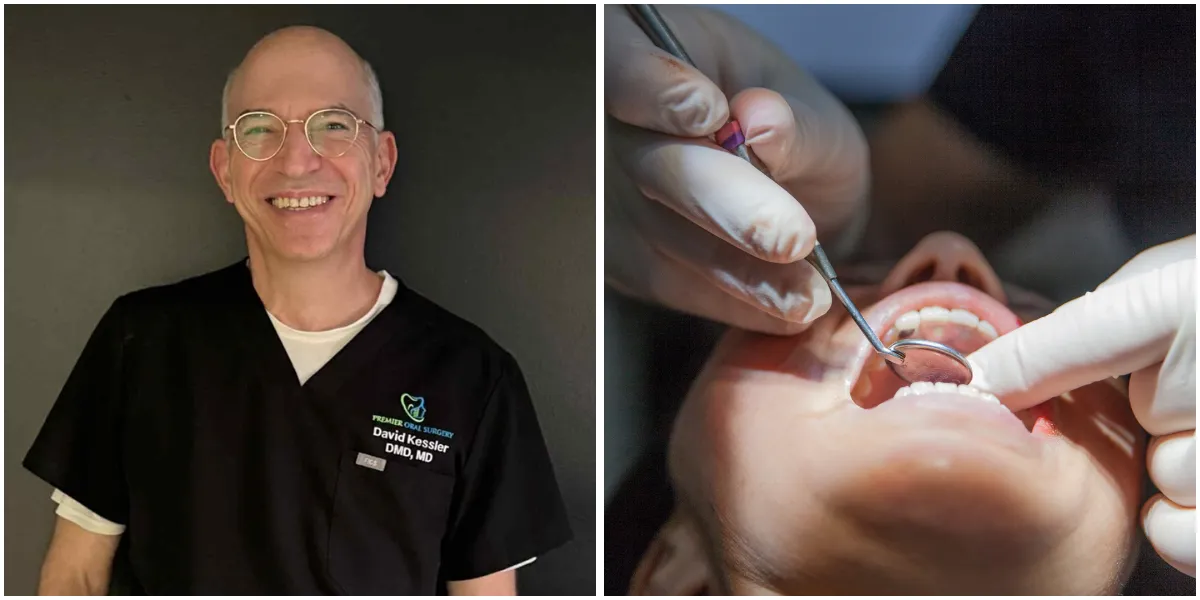
Dr David Kessler Guides You Through Oral Surgery Steps in Englewood
Even the most cool-blooded patients will be anxious as soon as the term “surgery” is mentioned. You are not alone in case you are going under oral surgery and are nervous about it. Nevertheless, knowing the future can greatly minimize your fears and make you feel more ready. Dr. David Kessler at Englewood Oral Surgery believes that patient education is the key to transforming anxiety into confidence, ensuring you approach your procedure with peace of mind.
What is Oral Surgery?

Oral surgery deals with a broad area of surgical operations on and about the mouth, jaw, and other facial regions. These processes are meant to cure various diseases, starting with a simple tooth extraction, all the way to a complicated reconstruction process. Englewood Oral Surgery specializes in making such procedures as comfortable and stress-free as possible.
Common oral surgery procedures include:
Wisdom teeth Removal - The most frequently performed oral surgery.
Dental Implant Placement - Permanent replacements of missing teeth.
Tooth extractions - Removal of damaged or problematic teeth.
Bone grafting - Reconstructing the structure of the jawbone with implants in the future.
Corrective Jaw Surgery - Addressing bite and alignment issues.
Every procedure is customized to your needs, with Dr. Kessler having the latest techniques and technology available to give you the best results with the minimum amount of discomfort.
Why is Dr. David Kessler Considered the Best in Oral Surgery in Englewood?
Dr. David Kessler has established himself as Englewood's premier oral surgeon through years of dedicated practice, advanced training, and unwavering commitment to patient care. His fame is due to several main reasons:
Extensive Experience and Training: Dr. Kessler has gained a lot of experience and specialized training in oral and maxillofacial surgery; thus, he has the skills to do even the most complicated cases perfectly and confidently.
Patient-Centered Approach: Dr. Kessler spends time explaining procedures to each patient, taking into account his or her needs and comfort levels, since the needs of each patient are unique, and developing a treatment strategy that considers not only the effectiveness but also the comfort of patients.
Advanced Technology: The practice employs the latest technology and methods, such as the use of digital imaging, minimally invasive procedures, and state-of-the-art sedation solutions to maximize safety and lead to better outcomes.
Comprehensive Care: From initial consultation through complete recovery, Dr. Kessler and his team provide continuous support, ensuring patients feel confident and well cared for throughout their oral surgery journey.
Phase 1: Before Your Oral Surgery (Preparation)

Oral surgery is an important procedure that requires good preparation. Dr. Kessler has a thorough pre-operative process that ensures you are ready to go through with it.
The Consultation & Exam
Your oral surgery journey begins with a thorough consultation where Dr. Kessler evaluates your specific condition. This appointment includes:
Medical History Review: Dr. Kessler will review your entire medical history, current medications, and any allergies or health conditions that may influence your surgery or recovery.
Comprehensive Examination: An in-depth oral analysis assists in determining the precise extent of the work required and the possible complications.
Advanced Imaging: Digital X-rays or 3D can be conducted to enable Dr. Kessler to have a full picture of your oral structures, enabling accurate surgical planning.
Sedation Planning: According to your level of comfort and anxiety and the complexity of your procedure, Dr. Kessler will discuss with you the options of local anesthesia to IV sedation.
Pre-Operative Instructions
Oral surgery procedures, such as tooth extraction Englewood or other tooth removal procedures, include pre-operative instructions that are important to follow carefully because they will guarantee your safety and the success of the surgery:
Fasting Guidelines (NPO): When someone is under sedation, he/she will be required to abstain from food and beverages for a certain time before the surgery, which is usually 8-12 hours. This helps avoid complications during sedation.
Medication Adjustments: Dr. Kessler can suggest temporary withdrawal of some medications, especially blood thinners, or prescribe some pre-operative antibiotics.
Transportation Arrangements: You will not be able to drive after being sedated, so make transportation arrangements to have an adult responsible person carry you to and from your appointment.
Comfortable Clothing: Wear loose and comfortable clothes with rolled-up sleeves that can be rolled up in case of IV access.
Phase 2: What Happens During the Procedure?

Understanding the surgical process helps alleviate anxiety about the unknown. Here's what you can expect during your oral surgery at Englewood Oral Surgery:
Arrival & Anesthesia
Check-In Process: You are going to do any last paperwork once you arrive, and ask questions about the last minute. The personnel will examine your medical history and validate the intended procedure.
Comfort Measures: Dr. Kessler and his team are concerned about your comfort since the time of your arrival. The workplace is created in a way that is relaxing and pleasant.
Anesthesia Administration: You may be given local anesthesia to block the part of the surgical area, depending on your decision on the level of sedation. Assuming that IV sedation is to be used, you will be injected with a small needle in your arm, and you will feel relaxed and drowsy.
The Surgical Steps
Although every oral surgery procedure is different, the overall procedure has the following steps:
Accessing the Surgical Site: Dr. Kessler chooses an access point to the area of treatment with the least amount of invasive procedures to minimize trauma to adjacent tissues.
Performing the Procedure: It is important to note that Dr. Kessler is careful and efficient in doing his job, regardless of whether it is removing wisdom teeth, installing dental implants, or performing extractions; he does the job in the most effective way possible and ensures that the patient feels the least pain.
Tissue Management: During the procedure, Dr. Kessler is keen on handling soft tissues and bone to enhance maximum healing and minimize the complications that can occur after the operation.
Suturing: In the event of necessity, the surgical site is sutured with dissolvable or removable sutures to encourage proper healing.
Immediate Post-Operative Care
Gauze Placement: Sterile gauze is used to cover the surgical area to prevent bleeding and to cover the area in the early stage of healing.
Recovery Monitoring: In case of sedation, you will be observed when you are coming out of your sleep to make sure that you are stable and comfortable enough before being discharged.
Discharge Instructions: Dr. Kessler gives you substantial post-operative instructions, but also gives prescription medications where necessary and responds to any questions about your healing.
Phase 3: After Oral Surgery (Recovery Timeline)

Your oral surgery recovery timeline is crucial for optimal healing and preventing complications. Dr. Kessler provides comprehensive guidance for each stage of recovery.
The First 24 Hours
The initial day after your oral surgery requires careful attention to promote healing:
Managing Bleeding: Some bleeding is normal. Change gauze as directed, typically every 30-45 minutes for the first few hours. If bleeding persists, contact Englewood Oral Surgery.
Swelling Control: To reduce swelling and pain, ice packs should be used on the exterior of the face in periods of 15-20 minutes throughout the initial 24 hours.
Pain Management: Use recommended pain medications. Combine non-prescription drugs such as ibuprofen to control pain and inflammation.
Rest and Recovery: Intend to take a break till the end of the day. Avoid hard work that might cause bleeding or swelling.
Diet & Hygiene Guidelines
Nutrition and oral hygiene contribute to the healing process and prevent infections of the surgical site:
Soft Foods List:
Yogurt, pudding, and smoothies (do not use straws).
Mashed potatoes and soft pasta.
Scrambled eggs and soft fish.
Ice cream and sorbet.
Soup (lukewarm, not hot).
Oral Hygiene: Squeeze warm salt water (1/2 teaspoon of salt into 8 oz. of warm water) starting 24 hours after surgery. Do not over-rinse or shake the surgical site.
What to Avoid:
Hot drinks and food in the first few days.
Straws, which can dislodge blood clots.
Hard, crunchy, or spicy foods.
Smoking or using tobacco that to a large extent interferes with healing.
Warning Signs: When to Call Dr. Kessler
Although some discomfort is the order of things, some symptoms need to be addressed:
Abnormal bleeding that is not responsive to pressure.
Major pains that cannot be controlled with medicines.
Signs of infection (fever, increasing swelling, pus).
Numbness persists beyond expected timeframes.
Swallowing and difficulty breathing.
Why Choose Englewood Oral Surgery for Your Oral Surgery Needs

Englewood Oral Surgery is the best option for oral surgery Englewood due to many strong factors:
Personalized Care: All patients get personal care, and their treatment plans are customized, taking into account their needs, level of comfort, and health.
Advanced Techniques: Dr. Kessler stays current with the latest advancements in oral surgery, incorporating new technologies and techniques that improve outcomes and reduce recovery time.
Comprehensive Support: From consultation to total healing, the team is able to provide constant support, responding to questions and addressing issues in time.
Comfortable Environment: The practice will be built to ensure the comfort of the patients, including a comfortable environment and the use of modern facilities that will soothe their anxiety.
Proven Results: The history of successful treatment and contented consumers of Dr. Kessler is a testimony to his competence and commitment to quality in oral surgery.
Conclusion: Your Path to Successful Oral Surgery
Understanding what to expect before, during, and after oral surgery transforms a potentially anxiety-provoking experience into a manageable, predictable process. Dr. David Kessler's comprehensive approach ensures that you're well-prepared, comfortable during your procedure, and supported throughout your recovery.
If you're considering oral surgery or have been referred for a procedure, don't let fear or uncertainty delay your treatment. Contact us today to schedule your consultation with Dr. Kessler.
Frequently Asked Questions
Is oral surgery painful?
The procedures are made very comfortable thanks to modern oral surgery methods and some anesthesia options that the patients would have imagined. Dr. Kessler employs the best pain management techniques, such as local anesthesia and the ability to use some form of sedation to make sure you are comfortable during your procedure. The pain after the operation can be treated using prescribed drugs, and it usually fades away after a few days.
How long does oral surgery take?
Oral surgery may take a long period, depending on the complexity of the procedure. Simple extractions can last between 15-30 minutes, whereas more complicated procedures, such as multiple wisdom teeth removal, dental implant placement, can last between 1-2 hours. Dr. Kessler will give you an estimate of the time during your consultation, depending on how you will be treated.
What can I eat after oral surgery?
Oral surgery recovery film contains certain dietary information useful in healing. The initial days should include soft and cool food such as yogurt, smoothies, mashed potatoes, and ice cream. There should be no hot foods, hard or crunchy foods, or food that needs a lot of chewing. Reintroduce normal foods gradually when one is healed and comfortable.
